
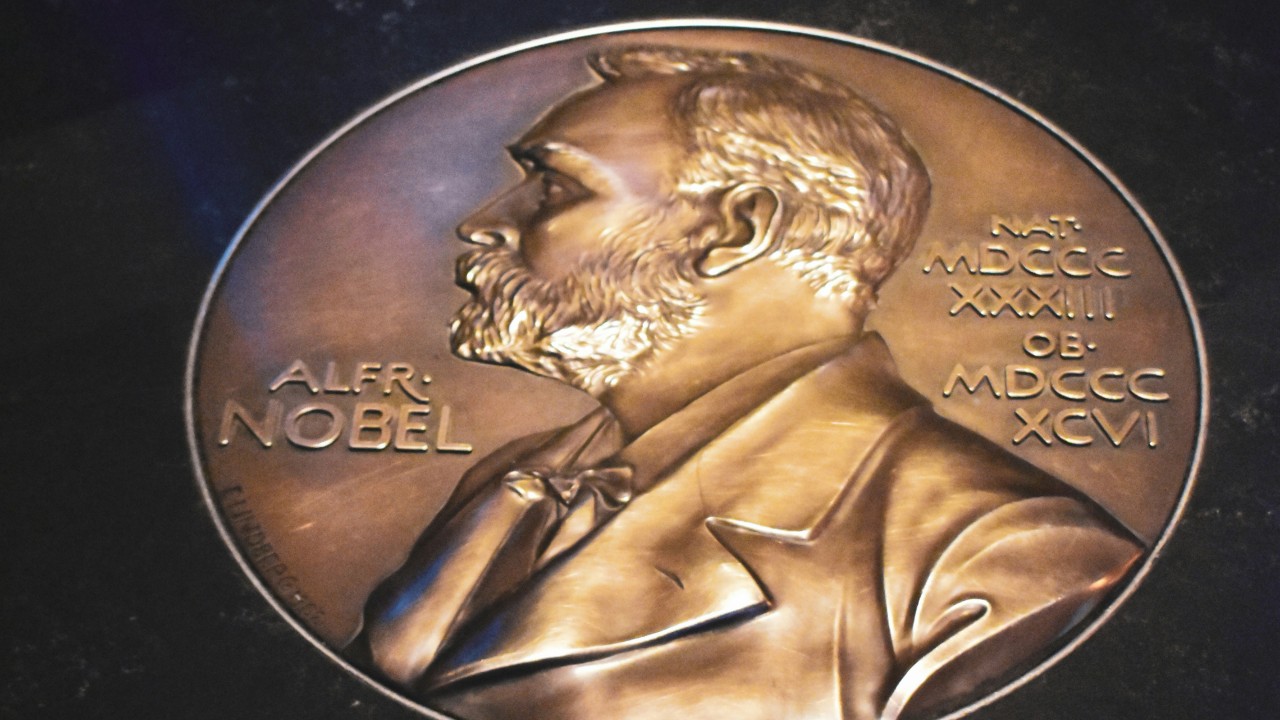
When this year’s Nobel Prize in Economics honored the theory of creative destruction — the idea that progress happens when innovation replaces the old order — it reminded us that true growth doesn’t come from doing the same things faster. It comes from reinventing how things get done.
For years, companies have chased optimization: faster processes, leaner operations, lower costs. That mindset built the modern enterprise. But optimization alone has a ceiling. You can’t squeeze endless value out of an old model. At some point, the model itself has to evolve.
That’s the leap the Nobel Committee celebrated — and it’s exactly the leap Optimality was designed to help organizations make.
The Shift from Efficiency to Evolution
Traditional optimization focuses on efficiency — removing friction and minimizing waste. That’s essential, but it’s static. It assumes the process itself is right.
Creative destruction, by contrast, is dynamic. It’s about replacing what no longer serves you with something better. Historically, that happened across industries: steam engines replaced by electricity, typewriters replaced by PCs, boxed software replaced by the cloud.
Now, AI brings that same dynamic inside the enterprise. The question isn’t just how can we work faster? but how can our systems continuously reinvent how work happens?
That’s where Optimality comes in — by turning optimization itself into the engine of creative destruction.
But Isn’t Optimality About Optimization? Let’s Clarify.
The word “Optimality” can sound like the pursuit of perfection — but in scientific terms, it means finding the best possible outcome given changing conditions. The optimal state is never fixed; it shifts as constraints evolve.
That’s the heart of our mission. We don’t lock organizations into one “optimized” process. We give them the tools and intelligence to keep discovering what optimal looks like next.
Our platform begins by connecting people, processes, and deliverables in one shared workspace. That’s optimization — clarity, coordination, and accountability. But once those connections exist, AI can do something more profound: learn from the system and help it reinvent itself.
Every workflow improvement becomes data. Every project iteration becomes intelligence. Over time, the system learns which patterns create success — and which should be replaced. Optimization evolves into a self-reinforcing cycle of innovation.
That’s how you turn optimization into the engine of creative destruction.
From Incremental Gains to Structural Reinvention
Here’s what that looks like in practice:
- AI that learns the rhythm of your projects and flags where delivery risk or design drift is emerging.
- Meeting transcripts automatically translated into structured, actionable plans, closing the gap between discussion and execution.
- Cross-discipline dependencies mapped and monitored, so changes in one area instantly surface their downstream impact.
- Knowledge captured from every completed project, feeding the next one with data-driven insight.
And importantly, Optimality does this at a pace your organization can absorb. Reinvention doesn’t need to be disruptive. It should evolve with your people — intuitive, adoptable, and aligned with how they already work.
Our AI doesn’t impose change from above; it unlocks it from within. As teams see clearer data, smarter connections, and fewer surprises, they adopt the new process because it helps them, not because it’s mandated.
That’s creative destruction that evolves with the company — adaptive progress that compounds as the system learns more, surfaces more insights, and unlocks new ways of working without losing momentum or trust.