
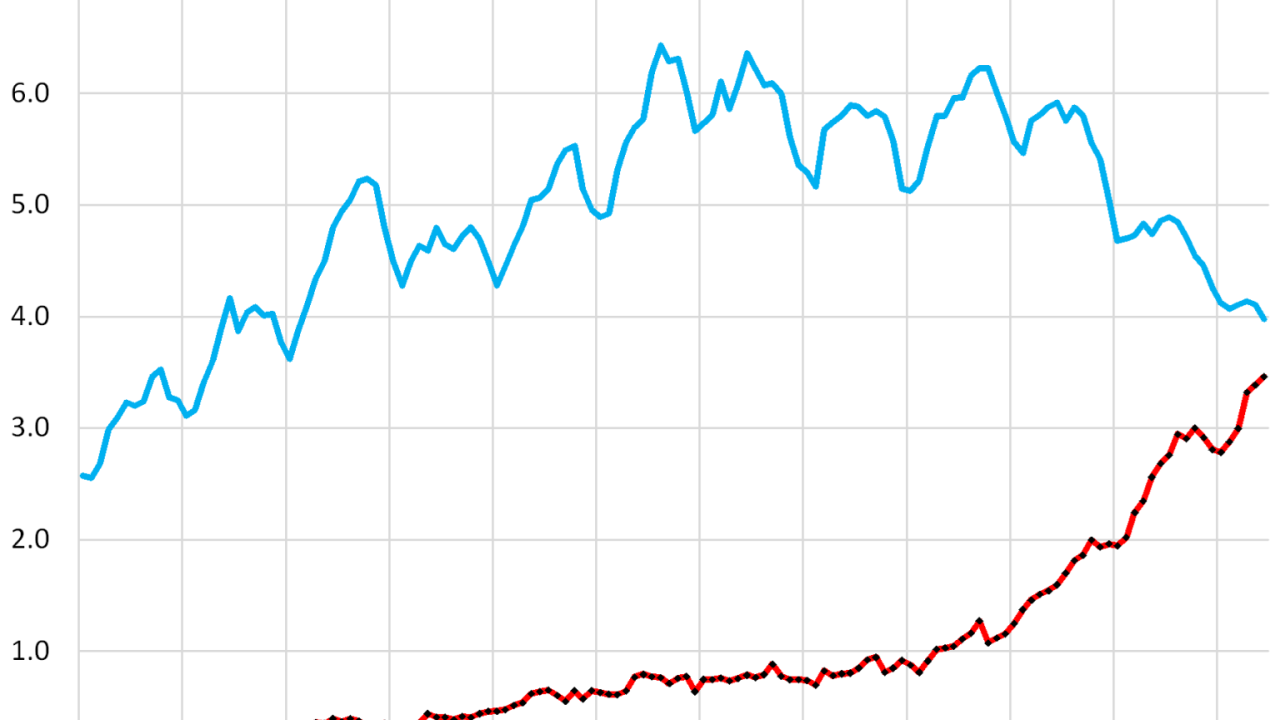
Billions are being poured into AI. Data centers are rising faster than office buildings, GPU demand has never been higher, and new unicorns are minted almost weekly. The chart making the rounds right now says it all: we’re prioritizing “homes for AI” over homes for human work.
But here’s the uncomfortable truth: building compute doesn’t automatically build outcomes. Without solving the execution gap, all of this investment risks becoming stranded capacity.
The Compute Boom Is Real
- $375–500B projected annual spend on AI infrastructure.
- 100 AI unicorns created in less than two years.
- Data centers designed as “AI factories,” consuming megawatts per rack.
This is an unprecedented reallocation of capital. But history tells us that infrastructure waves only deliver value when they’re matched by operating models that translate capability into action.
The Missing Piece: Execution
Right now, too many organizations are investing in AI models and infrastructure without embedding them into daily work. The result?
- Rework and misalignment persist.
- Projects slip due to poor coordination, not lack of compute.
- AI sits in pilots or slide decks rather than in critical workflows.
In other words: we’re building machine capacity without human-machine execution.
Where the Bottleneck Really Is
The next wave of value won’t come from bigger models alone. It will come from:
- Clarity – knowing who does what, when, and why.
- Alignment – connecting deliverables, tasks, and systems across teams.
- Accountability – tracking commitments and surfacing risks in real time.
This is especially visible in complex and capital-intensive projects, where even small missteps cascade into massive costs. But the principle applies everywhere projects are executed: execution is the make-or-break.

Turning Compute into Outcomes
The most powerful opportunities come when AI is embedded directly into workflows:
- Meetings that automatically generate action boards.
- Deliverable changes that trigger risk alerts downstream.
- Agents that highlight readiness gaps before delays spiral.
This isn’t replacing human judgment. It’s creating operating models where human and machine reasoning work side by side — amplifying focus, precision, and foresight.